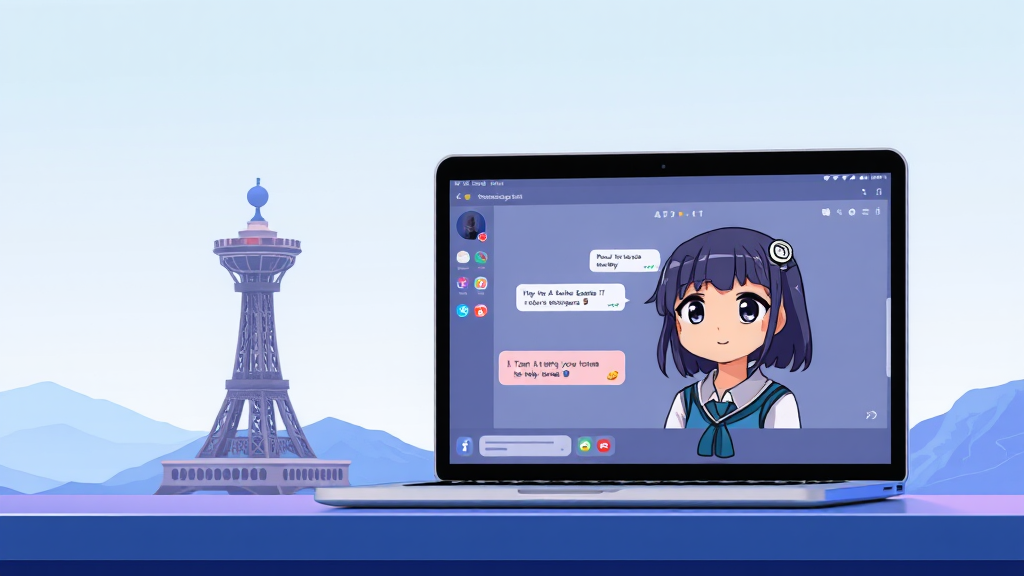
https://chat.crushon.ai/anime-ai: A Practical Guide to Anime AI Chat Experiences
Conversational AI has moved far beyond generic question-and-answer tools. One of the most interesting directions is character-driven chat, where the personality, tone, and visual identity of the assistant matter as much as the underlying model. If you have been searching for a focused example of this trend, https://chat.crushon.ai/anime-ai is worth a closer look. It sits at the intersection of anime fandom, creative writing, and modern language models, and it gives users a way to explore roleplay-style conversations without building an entire application from scratch.
This guide explains what an anime AI chat platform typically offers, how to get the most out of it, and what to keep in mind while using character-based AI for entertainment, brainstorming, or language practice. The goal is not to hype a single tool but to help you understand the category and decide whether it fits your workflow.
What an Anime AI Chat Platform Actually Does
At its core, an anime AI chat service pairs a large language model with a character persona. Instead of a neutral assistant that answers in a flat, professional tone, you get a conversational partner with a name, a backstory, a speaking style, and often a visual design inspired by anime and manga conventions. The model still generates text, but the framing changes how the interaction feels.
This matters more than it might seem. When people talk to a character rather than a system, they tend to write longer prompts, experiment with dialogue, and stay engaged for more turns. That engagement is useful for several practical tasks:
- Creative writing: Testing dialogue for a story, novel, or script with a partner that stays in character.
- Roleplay and entertainment: Exploring fictional scenarios for fun, similar to interactive fiction.
- Language practice: Holding low-pressure conversations in a target language with a consistent persona.
- Idea generation: Brainstorming character traits, plot twists, or world-building details.
- Companionship-style interaction: Casual conversation for users who enjoy a themed, character-driven experience.
The best platforms in this space make it easy to start a conversation, switch characters, and keep context across multiple messages. They also tend to offer some control over tone, scenario, and personality so the experience is not identical for every user.
Why Anime Characters Work Well With Conversational AI
Anime and manga have a long tradition of strong, recognizable character archetypes. The energetic rival, the calm mentor, the curious student, the mysterious stranger — these patterns are familiar to fans and easy to describe in a prompt. That makes them a natural fit for AI chat, because the model can lean on established tropes to produce consistent, believable dialogue.
There is also a visual dimension. Anime-style art gives a character an immediate identity. When a chat interface shows an avatar alongside the conversation, users form a stronger mental model of who they are talking to. This is not just decoration; it reinforces the persona and helps the conversation stay coherent over time.
Another advantage is flexibility. Anime covers a huge range of genres — slice of life, science fiction, fantasy, mystery, sports, romance. A single platform can host characters from very different settings, which means users can move between moods without leaving the tool. That variety keeps the experience fresh and makes it useful for different kinds of creative projects.
How to Get Better Results From Character-Based Chat
Like any AI tool, the quality of the output depends heavily on how you use it. A few habits make a noticeable difference when you are chatting with an anime-style character.
Be specific about the scene
Instead of writing “hello,” set a scene. Mention where you are, what just happened, and what you want from the conversation. For example: “We are in a quiet library after class. You are the studious character who always has a book. I just found a strange note in one of the shelves.” This gives the model clear context and produces richer replies.
Stay consistent with the persona
If the character has a defined personality, avoid asking them to suddenly behave in a completely different way. Small shifts are fine, but constant contradictions will make the conversation feel disjointed. Treat the persona as a character in a story and let them react naturally to events.
Use short, clear turns
Long, complicated messages can confuse the model and dilute the character’s voice. Break your ideas into shorter messages, and let the character respond before you add more information. This back-and-forth rhythm is closer to real conversation and usually produces better results.
Guide the tone gently
If the reply is too formal, too casual, or off-topic, you can steer it with a small nudge rather than a full reset. A line like “That felt a bit too serious for this character — try a warmer tone” often works better than starting over.
Save what works
When a character or scenario produces great dialogue, note the prompt or setup you used. Reusing a strong opening is one of the fastest ways to get consistently good conversations.
Practical Uses Beyond Entertainment
It is easy to think of anime AI chat as pure fun, but the same mechanics support more serious work. Writers use character chat to test how a protagonist might respond to pressure, which can reveal weaknesses in a plot before they become a problem in a full draft. Game designers use it to prototype NPC dialogue and check whether a character’s voice holds up across many lines.
Language learners benefit from the low-stakes nature of the format. Talking to a friendly character is less intimidating than speaking to a real person, and the model can repeat, rephrase, or slow down on request. Teachers sometimes use similar tools to create practice scenarios for students who are hesitant to speak in class.
Even outside creative fields, the pattern is useful. Customer experience teams study how character-driven chat keeps users engaged, and product designers use it to explore how personality affects trust and retention. The anime framing is one flavor of a broader shift toward AI that feels more human and less like a search box.
Things to Keep in Mind
Character-based AI is still AI. It can be inconsistent, forget details, or produce responses that do not match the persona. Treat it as a creative partner, not an authoritative source. For factual questions, verify important information elsewhere.
Privacy is another consideration. Avoid sharing sensitive personal data in any chat interface, and check how a platform handles conversation history if that matters to you. If you are using the tool with younger users, review the content settings and make sure the experience matches your expectations.
Finally, remember that the character is a construction. It can be a wonderful tool for imagination and practice, but it is not a substitute for real relationships or professional advice. Used with that perspective, it is a genuinely enjoyable and surprisingly useful technology.
Getting Started With Anime AI Chat
The barrier to entry is low. Most platforms let you start a conversation in a browser without installing anything. Pick a character that matches the mood you want, write a clear opening scene, and see how the dialogue develops. If one persona does not click, try another — variety is one of the strengths of the format.
As you get comfortable, you can build small routines around the tool: a few minutes of language practice in the morning, a brainstorming session for a story idea in the evening, or a fun roleplay scene when you want to unwind. Over time, you will develop a sense of which prompts and characters work best for you.
Anime AI chat is not a replacement for human creativity, but it is a powerful assistant for it. Whether you are a fan exploring a favorite genre, a writer testing dialogue, or a learner looking for a patient conversation partner, the category offers something valuable. The key is to approach it with curiosity and clear expectations, and to enjoy the process of discovering what these characters can do.
FAQ
What is an anime AI chat platform?
It is a conversational AI tool that pairs a language model with an anime-style character persona. You chat with the character in text, and the model responds in a way that fits the character’s personality and backstory.
Is anime AI chat only for entertainment?
No. While entertainment and roleplay are popular uses, people also use it for creative writing, language practice, brainstorming, and prototyping dialogue for games or stories.
Do I need technical skills to use it?
Generally no. Most platforms are browser-based and let you start a conversation right away. Basic prompt-writing skills help, but you can learn them quickly through practice.
Can the character remember previous messages?
Many platforms keep context across a conversation, so the character can refer back to earlier details. The exact memory length varies by tool, so check the platform’s documentation if long conversations matter to you.
Is it safe to share personal information in chat?
It is best to avoid sharing sensitive personal data. Treat the conversation as you would any online interaction, and review the platform’s privacy practices if you have concerns.
How can I get more consistent responses?
Set a clear scene, stay consistent with the character’s personality, use shorter messages, and gently guide the tone when needed. Saving prompts that work well also helps you repeat good results.